
Back to blog · Company news · 2026-10-08
925 Silver vs Gold-Plated vs Stainless Steel: Which Jewellery Should You Stock?
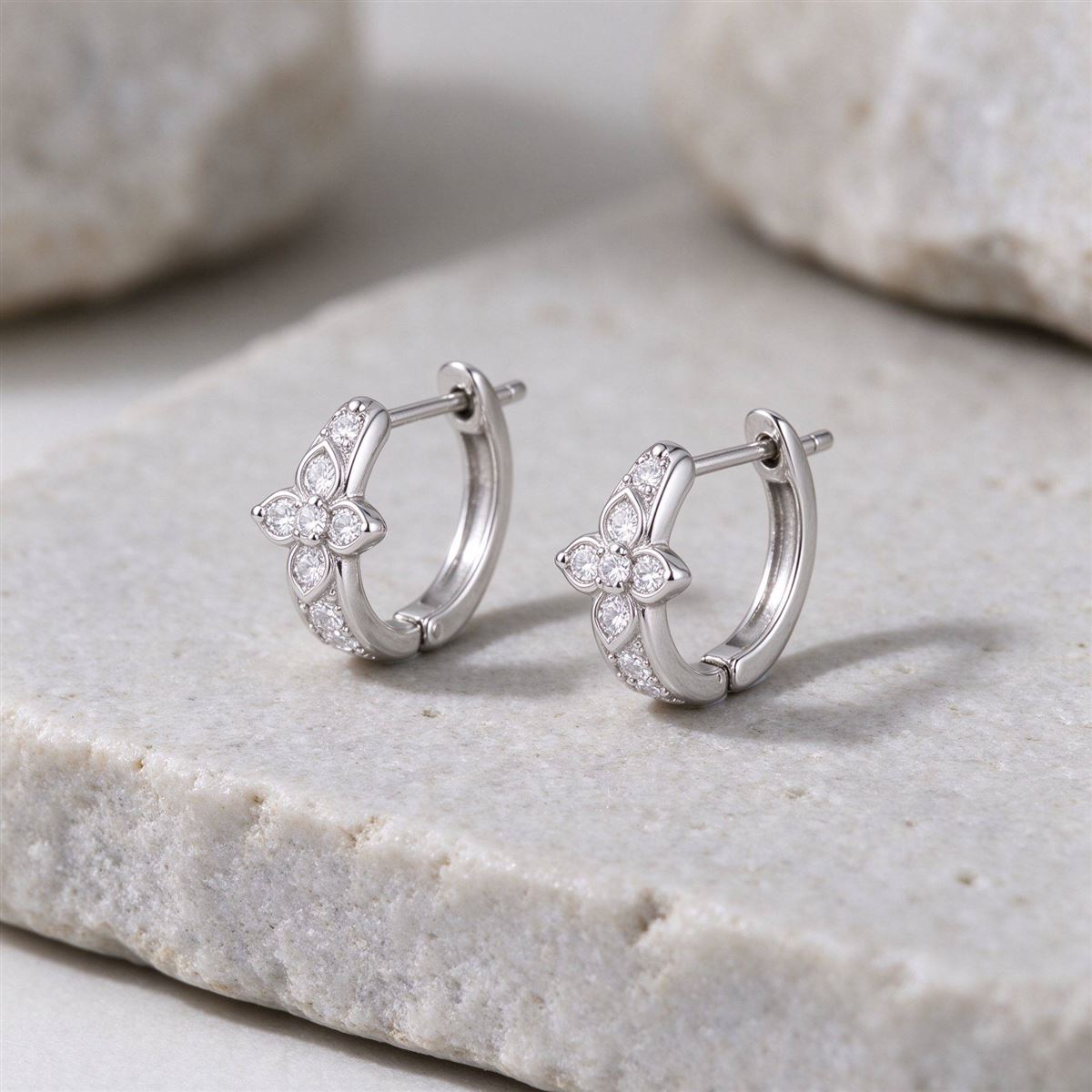
Every jewellery buyer hits the same wall in week one: silver, gold-plated, or steel? The honest answer is usually “all three” — but most catalogues never explain why each material earns its shelf space. Here is what the materials actually do for a shop.
925 sterling silver is the trust item. It is hypoallergenic enough for customers with sensitive ears, it carries the S925 stamp that parents look for before buying children's pieces, and it holds its value in a way plated jewellery doesn't. It costs more per gram, so it earns the higher shelves — gift sets, engraved pieces, anything a customer plans to keep.
18K gold-plated copper is where trends live. A design that looks gold at a tenth of the price turns over fast, which is exactly what trend-led pieces need, because next season's trend won't wait for this season's stock to sell. The plating on a well-made piece lasts far longer than customers expect, but nobody minds replacing a trend piece after a year or two — that is the point.
Stainless steel and titanium are the quiet workhorses. They shrug off water, sweat and daily wear, they cost little, and they are the materials customers trust for gym wear, men's lines and kids' pieces that get knocked around. CZ and diamond settings add the sparkle tier across all of the above, and jade and gemstone pieces sit at the top for buyers who want a story behind the stone.
Successful boutiques carry all three tiers and let customers trade themselves up. That is how we built the AGJewel range too: 925 silver, 18K gold-plated copper, steel and titanium, CZ and jade, MOQ from 30 pcs per design, samples free. Send us your best-selling style as a reference and we will quote a mixed trial order around it.